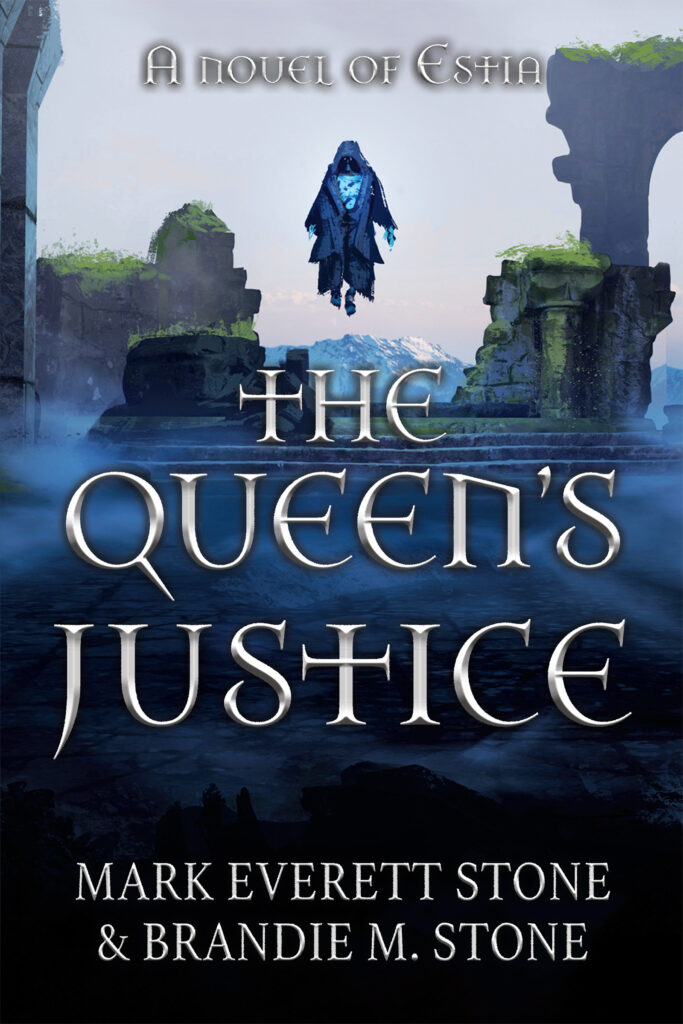
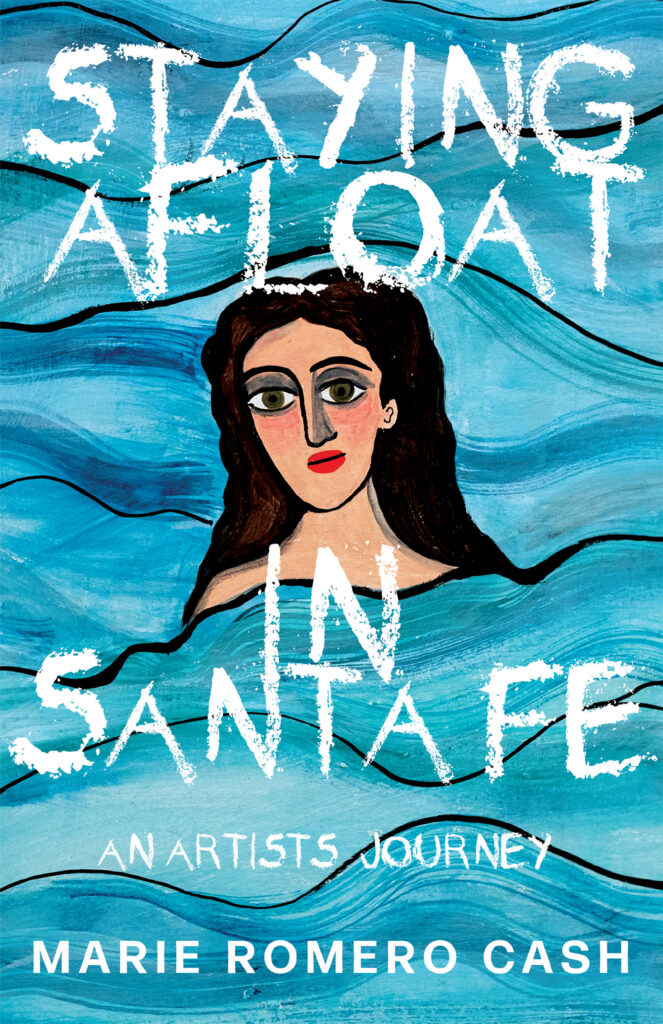
The Turtle-Girl from East Pukapuka, by Cole Alpaugh
The island of East Pukapuka lies in the path of a tsunami that will kill everyone but Butter, a little girl more worried about the lives of the injured animals she cares for than her own. Butter is rescued by a Loggerhead Sea Turtle who carries her away on his back. As she and her exhausted savior begin to sink, the girl is plucked out of the sea by Jesus Dobby, the boozy owner of a salvage boat who is thrilled, at first, to have found a genuine “turtle-girl” hybrid.
Downhill racer Dante Wheeler “dies” in a terrible skiing accident and revives in a twilight state, having lost all memories of his former life. When he heals enough to leave the rehab facility, Dante heads to Polynesia, where he has found a home in his dreams. There he encounters Ophelia, a beautiful blond policewoman who reluctantly agrees to transport him to East Pukapuka.
Jope and Ratu, a pair of bumbling pirates, steal a vessel laden with cocaine. They are hotly pursued by the drug-runners’ hit man Albino Paul, the descendent of cannibals, whose goal is to reclaim his heritage.
As in Alpaugh’s beloved first novel, THE BEAR IN A MUDDY TUTU, fate pokes its fickle finger in the lives of these hapless souls with about as much clear intention as a three-year-old in a sandbox. Even the gods are incompetent. Alpaugh’s world offers no lessons in morality. His characters are fatally flawed, hilarious, and heartbreakingly human.
Lucia in Wartime, by Tom Holt
Across the Channel, the battle rages … On the Tilling front, another battle is being fought—the constant war of wits and social ascendancy between Lucia Pillson and Elizabeth Mapp-Flint. Lucia, with her superior style, timeless elegance, occasional low cunning and husband Georgie—whose talent for transforming powdered eggs and canned meat into gourmet fare has turned him into a minor celebrity—invariably wins the day.
Although Elizabeth may have lost a battle or two, she definitely hasn’t lost the war—until she carelessly gives Lucia the ultimate weapon against her, upsetting the balance of power in Lucia’s favor. But how long will Lucia be able to retain the admiration of all Tilling if her power remains unchecked? After all, absolute power corrupts absolutely.
Originally published in 1985, Lucia in Wartime is the first of Tom Holt’s officially sanctioned sequels to the hilarious “Lucia” novels of E.F. Benson.
One Gay American: A Memoir, by Dennis Milam Bensie
Dennis Milam Bensie is One Gay American. Born in the 1960s and raised with traditional values in Robinson, Illinois, Bensie desperately wanted romance, a beautiful wedding, and a baby to carry on the family name. He denied his sexuality and married a woman at nineteen years old, but fantasized of weddings where he could be the bride. The newlyweds “adopted” a Cabbage Patch Doll and ironically witnessed a Cabbage Patch Doll wedding (a successful fundraiser staged by a local women’s club) where the dolls were granted the type of grand ceremony off-limits to gay couples.
In search of his identity as a gay man, Bensie divorced his wife and stumbled through missteps and lessons that still sting his generation: defending against bullies, “disappointing” his parents, and looking for love in gay bars, bath houses and restrooms. He helped his straight friends plan their dream weddings and mourned his gay friends dying of AIDS. Although true love has not yet come his way, Bensie has learned to love himself.
Bensie is the author of the much-lauded memoir, Shorn: Toys to Men, which recounts his battle with paraphilia. One Gay American tells the rest of his story and draws parallels to gay history, decade by decade, with newspaper headlines and quotations. Bensie is the gay neighbor that you either love or hate. Either way, he’s got a lot to say and says it with no apologies.
Being Fruitful Without Multiplying: Why We Chose Not to Bear Children
by Patricia Yvette, Renee Ann, Janice Lynne … and Many Others
Being Fruitful without Multiplying started as one woman’s quest to come to terms with her decision not to bear children. In conversation with two close relatives from different generations, she found that they shared another, unexpected bond: each had made the same decision at an early age. All three were weary of being told their decision was selfish, immature, and unnatural. As they discussed their reasoning, they began to reach out to others. The result is this rich and nonjudgmental anthology, which includes voices from many different countries, cultures and income groups.